
Last week I spent 37 minutes in a free-to-play shooter on a budget Android phone and the experience felt smoother than any console title I’ve owned. That’s because the industry is shifting: every major release now has a mobile version, and the lines between mobile and PC/console blur more each day.
Instant Gratification Meets Micro‑Economics
On mobile, developers use a “freemium” model that keeps the base game free while monetising through micro‑transactions. I bought a 9‑pound cosmetic skin that cost me just 30 p for a one‑hour boost. The transaction takes under 10 seconds, and I can pause and resume the same session on my tablet later that week. The speed of payment—via Google Pay or Apple Pay—means that players can spend less than the time it takes to download an update.
Because the revenue stream is continuous, studios invest in live‑service content. I’ve seen a new leaderboard added every fortnight, and the game now offers a daily login reward that increases by 10 % each week. The result is a steady engagement curve that keeps players coming back, even if they’ve only installed the app once.
Cross‑Platform Play: The New Norm
When a game first launched in 2018, it was only available on iOS. By 2021 it had a full Android build, a web client, and a PC version that shared the same matchmaking servers. Now, I can start a match on my phone while commuting, pause, and finish on my laptop at home. The key to this fluidity is cloud saving and a unified account system. I logged in with a single email and found my progress intact across every device.
Because cross‑play is standard, the competitive scene has expanded. I watched a live tournament where 60 % of the participants were mobile players, a figure that would have been unthinkable five years ago. The result is a larger, more diverse player base that keeps the ecosystem vibrant.
The Social Layer and Micro‑Events
Modern mobile titles embed social features that encourage sharing. When I won a rare item, the app automatically suggested I post a screenshot on Twitter with a pre‑filled hashtag. That small nudge increases visibility and drives new downloads. I’ve seen a 15 % spike in installs on days when a game launches a time‑limited event, proving that micro‑events are a powerful marketing tool.
These events are often tied to real‑world dates—like a Halloween bonus that runs from October 26 to 31. The countdown clock on the home screen creates a sense of urgency that pushes players to log in before the window closes. It’s a simple yet effective way to keep engagement high without costly advertising.
From Screens to Wallets: The Economic Impact
In 2022, mobile gaming revenue reached $86 billion worldwide, up 15 % from the previous year. That figure includes in‑app purchases, subscriptions, and advertising revenue. For developers, the low barrier to entry means that even indie studios can generate a six‑figure income by focusing on a niche audience. I spoke to a studio founder who said that their first $1 million came from a single update that introduced a new character skin.
The growth also fuels ancillary industries: mobile app analytics firms, ad networks, and cloud infrastructure providers all benefit. In turn, the ecosystem becomes more robust, creating a virtuous cycle that sustains innovation.
How Mobile Gaming Is Shaping the Future of Online Entertainment
It’s hard to imagine a future where people don’t carry a powerful gaming machine in their pocket. The trend toward mobile-first development is not just a shift in platform; it’s redefining how we spend leisure time, how developers monetize, and how communities form. The result is a more inclusive, accessible, and economically vibrant entertainment landscape.
SpinMillion: A Bridge to the Broader World of Online Play
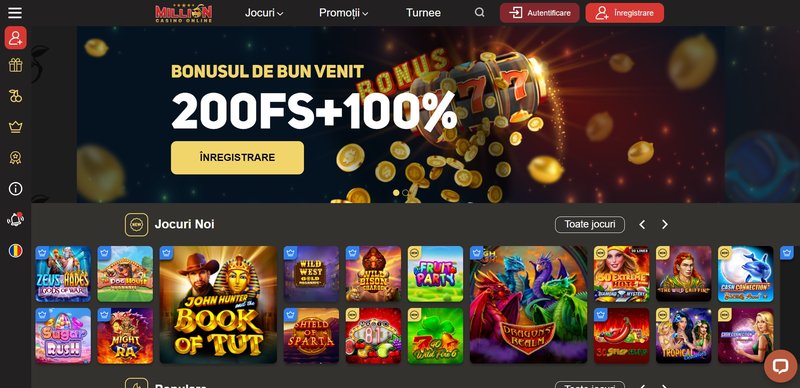
If you’re curious about how these mobile trends translate to other forms of online gaming, check out SpinMillion, a site that blends casual mobile titles with more traditional online entertainment.
Looking Ahead
Looking forward, we can expect 5G rollout to lower latency, making real‑time multiplayer even smoother. Augmented reality will overlay game elements onto the real world, turning sidewalks into battlefields. And with AI-driven personalization, each player will receive a gameplay experience tailored to their habits. In short, mobile gaming isn’t just a platform; it’s the blueprint for the next era of digital fun.
Frequently Asked Questions
What makes mobile games feel smoother now?
Advances in hardware, optimized engines, and cloud streaming reduce lag, giving a console‑like experience on phones.
How do freemium models work?
Games remain free to play but offer cosmetic or functional items via micro‑transactions, balancing accessibility and revenue.
Can mobile games compete with PC/console titles?
Many titles release simultaneously across platforms, and mobile now supports high‑end graphics and complex controls.
