


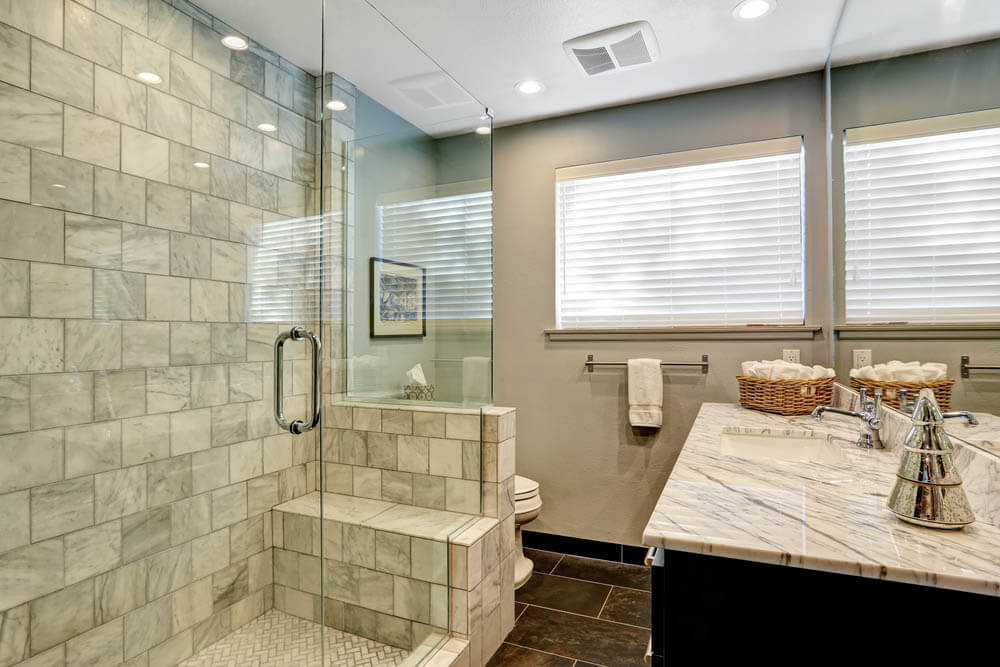
Solid surface showers and traditional tiled showers are two of the most popular options for bathroom remodels, especially when upgrading shower walls and surrounds. Solid surface typically refers to engineered materials (like Corian, Swanstone, or similar non-porous composites made from resins and minerals) installed as large panels or slabs, while tile usually means ceramic, porcelain, or natural stone pieces with grout lines.
Both can create beautiful, functional showers, but they differ significantly in maintenance, installation, durability, aesthetics, and cost. Here’s a balanced comparison to help you decide which might suit your needs better.
Key Comparison Table
| Feature | Solid Surface Shower | Tile Shower |
|---|---|---|
| Aesthetics | Seamless, modern, clean look; mimics stone or marble with a smooth, cohesive finish. Limited patterns but available in various colors and veining. | Highly customizable; endless colors, sizes, shapes, patterns, and styles (classic, mosaic, subway, etc.). Can create intricate designs or bold accents. |
| Maintenance | Extremely low: Non-porous, no grout lines → resists mold, mildew, bacteria, and soap scum. Wipe clean easily with mild soap. Scratches can often be sanded out. | Higher: Grout is porous and prone to staining, cracking, and mildew growth. Requires regular sealing, deep cleaning, and eventual regrouting. Tile itself is durable but grout is the weak point. |
| Durability & Water Resistance | Excellent: Fully waterproof, seamless design minimizes leaks/water damage risk. Impact- and stain-resistant; repairable. | Very good if installed properly: Porcelain/ceramic is impervious, but poor installation or grout failure can lead to leaks, mold, or structural issues (some sources note high failure rates in tile showers over time). |
| Installation | Faster and simpler: Large panels mean fewer seams, less labor, quicker job (often 1-2 days). Cleaner process with less mess. | More time-consuming and labor-intensive: Involves precise cutting, setting, grouting, and sealing. Requires skilled installers to avoid issues. |
| Cost | Higher upfront material cost, but potentially offset by lower labor and long-term savings on maintenance/repairs. | Often lower initial material cost (especially basic ceramic), but higher installation and ongoing maintenance expenses. |
| Other Notes | Warmer feel (better heat retention); hygienic (great for allergy-prone or high-humidity areas). May feel more “premium/modern.” | Timeless appeal; can increase home value with high-end designs. Can chip/crack if hit hard; grout needs periodic attention. |
Pros and Cons Breakdown
Solid Surface Showers – Pros:
- Virtually maintenance-free daily cleaning—no scrubbing grout!
- Superior mold/mildew resistance due to non-porous, seamless nature.
- Faster install with less disruption.
- Highly durable and repairable (minor damage can be buffed out).
- Modern, spa-like seamless appearance.
- Better long-term leak protection.
Solid Surface Showers – Cons:
- Less design versatility compared to tile (fewer intricate patterns).
- Higher initial cost in many cases.
- Can feel “less traditional” if you prefer classic looks.
Tile Showers – Pros:
- Unmatched customization for unique, personalized designs.
- Timeless and versatile—fits any style from vintage to contemporary.
- Potentially more affordable upfront (especially with standard tiles).
- Extremely hard-wearing surface material (especially porcelain).
Tile Showers – Cons:
- Grout maintenance is ongoing and can be a hassle (cleaning, sealing, potential mold).
- Longer, messier installation with higher risk of errors leading to leaks.
- Higher chance of long-term issues if not perfectly installed.
- More effort to keep looking pristine over time.
Which One Should You Choose?
- Go with solid surface if you prioritize low maintenance, a sleek modern look, quick installation, and long-term durability without constant upkeep. It’s especially ideal for busy households, humid climates, or anyone who hates cleaning grout.
- Choose tile if you want maximum design freedom, a classic or highly customized appearance, and don’t mind investing time in maintenance (or hiring pros for it). It’s a great fit for statement showers or traditional bathroom vibes.
Ultimately, there’s no universal “better” option—it depends on your lifestyle, budget, aesthetic preferences, and how much time you’re willing to spend on upkeep. Many homeowners in recent years lean toward solid surface for its hassle-free benefits, especially in 2025–2026 remodel trends emphasizing low-maintenance luxury.
If you’re planning a remodel, consult a local bathroom specialist to see samples in person and get quotes tailored to your space! What specific aspects (like budget or style) are most important to you?


Leave A Comment